
How to Maintain Reclaimed Wood Furniture Without Damage
Gentle care is usually the most effective. To maintain reclaimed wood furniture, dust regularly, blot spills promptly and dry the surface after cleaning. Keep it away from direct sunlight and heat, and avoid sudden changes in temperature and humidity.
It’s natural to want to protect the distinctive grain and colour of reclaimed timber without treating every small change as damage. A thoughtful routine for maintaining reclaimed wood furniture can help preserve its character and reduce avoidable wear.
This guide covers practical ways to maintain reclaimed wood furniture, from choosing gentle cleaning methods to managing sunlight, temperature and seasonal movement in a UK home.
Table of Contents
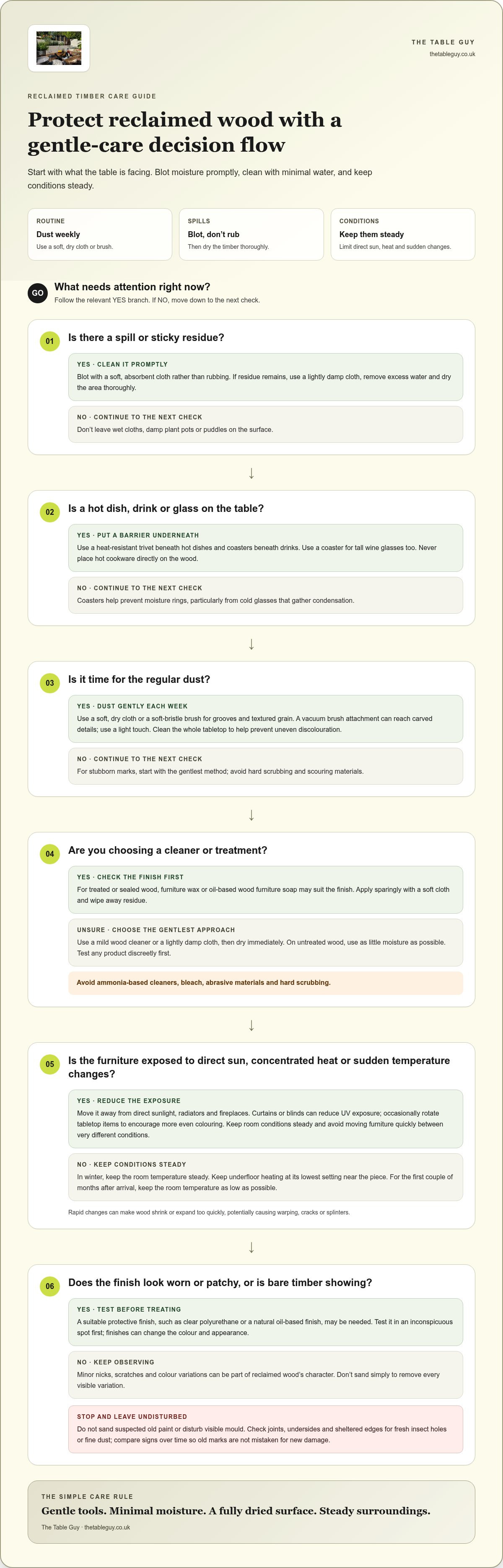
Preventing water damage, heat marks, and scratches
Use simple daily precautions to protect reclaimed timber from moisture, hot items and abrasive contact. These habits help preserve its appearance while letting its natural variations and character show.
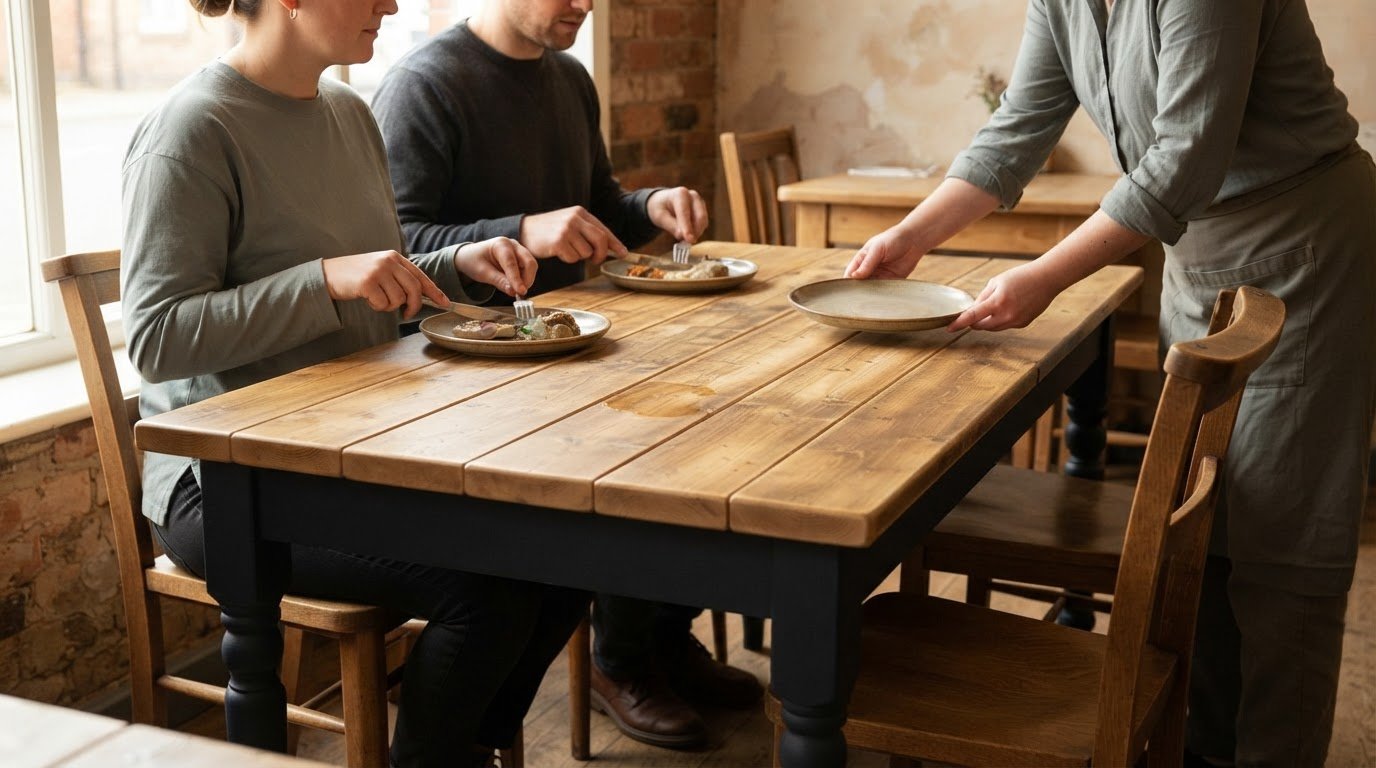
Use trivets and coastersPlace a heat-resistant trivet beneath hot dishes and coasters beneath drinks. This helps prevent heat marks and moisture rings, particularly from cold glasses that gather condensation. Use a coaster for tall wine glasses too, which may be less stable near the edge. Never put hot cookware directly on the wood, even briefly.
Clean up spillsBlot spills promptly with a soft, absorbent cloth rather than rubbing, which can spread liquid across the grain. If residue remains, follow with a lightly damp cloth, remove excess water and dry the area thoroughly. Wipe up a tea spill as soon as you notice it instead of letting it soak in. Quick cleaning helps reduce staining.
Prevent excess moistureKeep reclaimed wood as dry as practical. Excessive moisture can damage it, particularly if the timber is untreated. Don’t leave wet cloths, damp plant pots or puddles on the surface. If a spill reaches a seam or rough, untreated patch, blot carefully and dry it rather than adding more water.
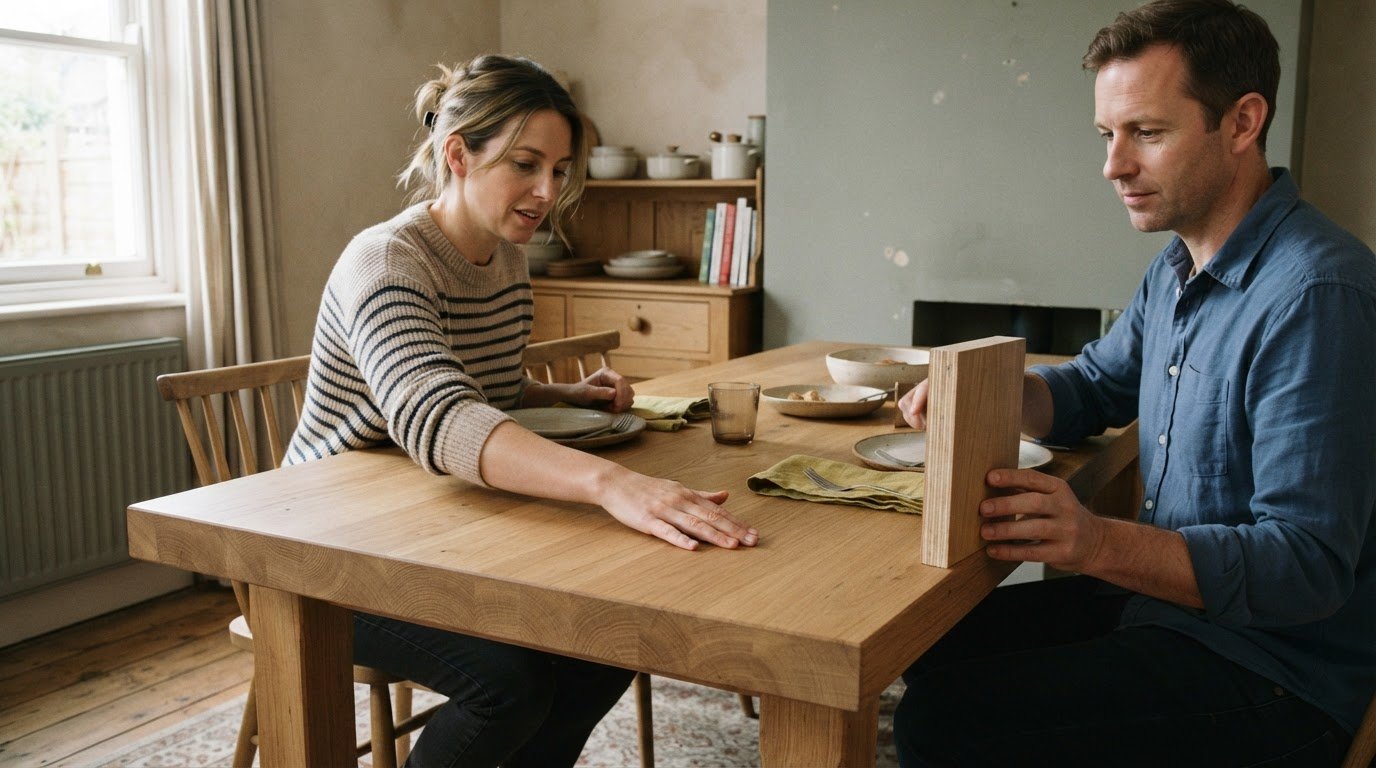
Move furniture without draggingLift heavy objects before repositioning them instead of dragging them across the tabletop. Ask someone to help lift a dining table and keep it steady as you move it. Felt pads beneath furniture legs can help prevent scratches to floors and nearby surfaces. Check that the pads stay in place after moving the piece.
Keep sharp objects and abrasive materials away from the finish, and use a chopping board for food preparation. Minor nicks, scratches and colour variations can be part of reclaimed wood’s character, but vigorous rubbing or scraping can change its appearance. Treat small marks as normal wear, and don’t sand simply to remove every visible variation.
Protecting furniture from sunlight and temperature changes
A finish may need attention if it looks worn or patchy, or bare timber is showing. Test a suitable protective finish in an inconspicuous spot first. Look for insect holes, fresh fine dust, visible mould or flaking old paint. Don’t sand suspected paint or disturb mould, as this can spread dust or spores.
Limit heat and direct sunlightPosition furniture away from direct sunlight and use curtains or blinds to reduce UV exposure. Sunlight can change wood colour over time, so occasionally rotate items on the tabletop to encourage more even colouring. Keep tables away from radiators and fireplaces, where concentrated heat can dry the timber. Notice whether one area stays brightly lit throughout the day.
Shield wood from heat and moistureKeep the room temperature steady, especially in winter, and avoid moving furniture quickly between very different conditions. Rapid temperature changes can make wood shrink or expand too quickly, potentially causing warping, cracks or splinters. For the first couple of months after the furniture arrives, keep the room temperature as low as possible. Keep underfloor heating at its lowest setting near the piece.
Protect table surfaces from spills and rings by using coasters, especially where condensation could sit on the finish. Blot spills promptly and dry the surface fully, as lingering moisture can affect timber and leave marks. After use, check around glasses and plant pots as well as the centre of the tabletop.
Watch for changes in the finish as the seasons shift. A worn or uneven surface may need a protective sealant, such as clear polyurethane or a natural oil-based finish. Test it in an inconspicuous area first, as finishes can change the colour and appearance. Don’t sand peeling old paint or suspected mould; leave it undisturbed until assessed.
Check joints, undersides and sheltered edges for fresh insect holes or fine dust, which can indicate pest activity. Compare any signs over time so you don’t mistake old marks in reclaimed timber for new damage. Keep the piece dry and well ventilated, and avoid covering damp areas where moisture could linger.
Regular dusting and cleaning
Use gentle tools and minimal moisture to clean reclaimed timber without wearing away its finish. A reliable routine for maintaining reclaimed wood furniture starts with dry dusting and careful cleaning suited to the surface.
Brush reclaimed wood cleanDust weekly with a soft, dry cloth, or use a soft-bristle brush to reach grooves and textured grain. A vacuum brush attachment can lift dust from carved details; use a light touch to avoid scuffing the surface. For a dining table, clean the whole tabletop rather than a single patch to help prevent uneven discolouration over time.
Clean spills without abrasivesBlot spills with a soft, absorbent cloth, then wipe sticky residue with a lightly damp, lint-free cloth. Dry the timber straight away and remove excess water. For a stubborn mark, start with the gentlest method and avoid scouring pads, abrasive powders or hard scrubbing. These can scratch the finish and change the appearance of individual pieces.
Avoid ammonia-based cleanersChoose a mild wood cleaner, or use a lightly damp cloth with water, and dry the surface immediately. Avoid ammonia-based cleaners, bleach, abrasive materials and sprays containing bleach. Depending on the finish, they can damage porous wood or strip its patina and wax. When maintaining reclaimed wood furniture, read the cleaner’s label and use only a small amount if you’re unsure.
Clean treated or sealed woodFor treated or sealed reclaimed wood, use furniture wax or oil-based wood furniture soap if it suits the finish. Apply sparingly with a soft cloth, then wipe away residue rather than leaving liquid on the surface. On untreated wood, use as little moisture as possible and dry it promptly. Test any cleaning product discreetly first, especially if you don’t know what the finish is.
Managing humidity and seasonal wood movement
In a damp UK home, ventilate rooms to reduce excess moisture around wooden furniture. Keeping indoor humidity relatively stable can help reduce seasonal movement in wooden furniture.
Check indoor humidity and ventilationMeasure the room’s humidity and look for condensation near windows or on furniture. In a damp room, open windows when practical and keep air moving around the piece instead of pushing it against a cold, poorly ventilated wall. Ventilation helps limit swelling and warping. Check beneath a rustic dining table too, where still air can trap moisture.
Control indoor humidityKeep humidity within the 30-40% range year round, and use a humidifier during winter if indoor air becomes very dry. Below 30%, wood can dry out and crack; persistently humid air can make timber swell. Avoid directing a humidifier at one spot. An even amount of moisture in the room is preferable to sharp local changes.
Adjust for seasonal humidityWatch for seasonal changes in joints, drawers and tabletop edges. Wood naturally expands and contracts as humidity shifts; sudden changes can contribute to cracks or warping. In winter, use a humidifier if the room is dry, while maintaining ventilation in humid conditions. Give the beautiful grain and natural imperfections time to settle rather than forcing joints or making adjustments.
Allow furniture to acclimatise after moving it into a new environment. Wooden furniture can take approximately 12 months to settle, so keep its surroundings steady during that period. Note changes in gaps or alignment over time; gradual movement can be normal. For a dining table that suits your home, explore dining table options.
The Table Guy: Prosecco Dining Tables
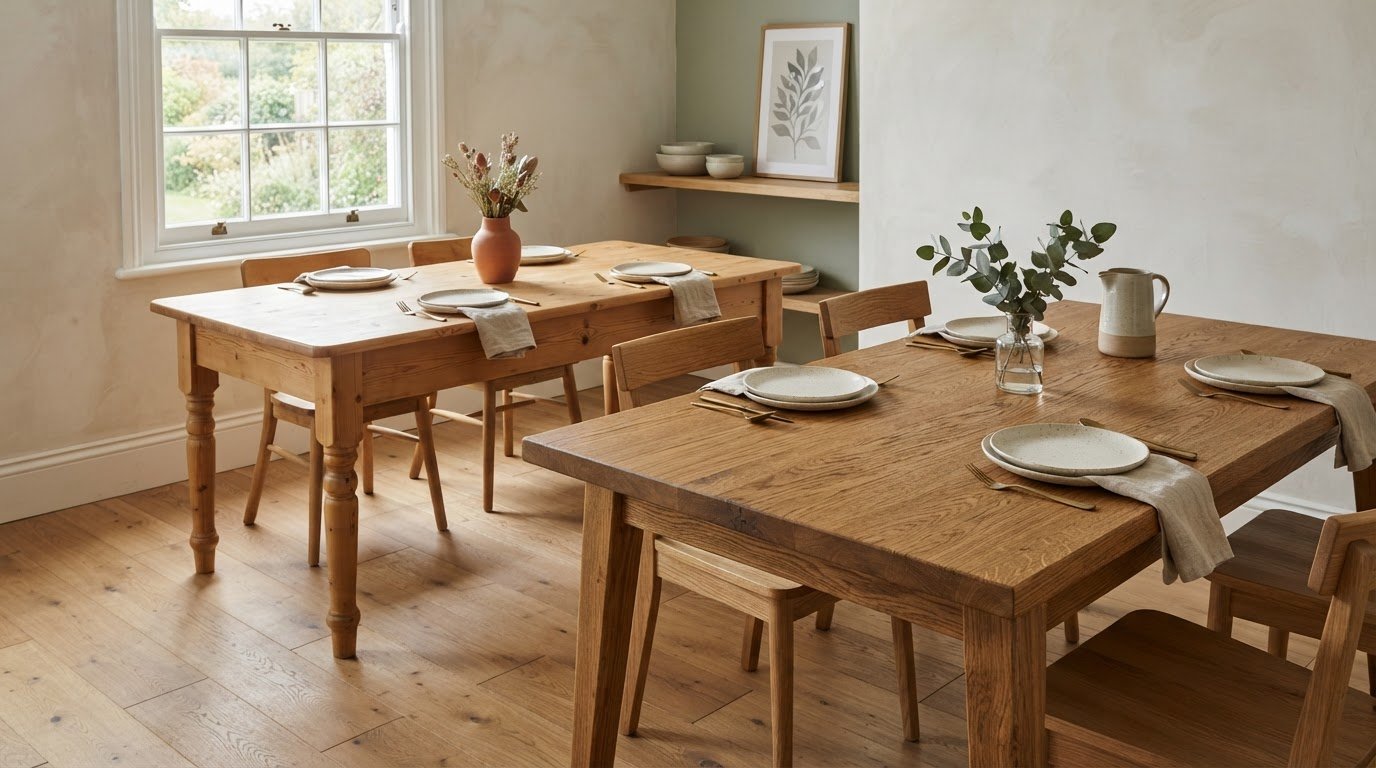
The Table Guy makes Prosecco Dining Tables for people who want a distinctive dining space with the character of handcrafted furniture. When choosing a table, consider how its finish, placement and everyday use will suit your home. The care steps in this guide can help protect reclaimed timber, but they won’t repair substantial damage or replace specialist restoration.
If you’re planning a new dining area, The Table Guy also makes Farmhouse Tables, Bamboo & Hardwood Tables, and Scaffold Board & Pine Tables. Each piece is made to order in the UK, with styles to suit different interiors. Explore the dining table options and consider which material best complements your home and routine.
Contact The Table Guy or visit thetableguy.co.uk to explore the tables.
Make your next furniture choice with care
How a piece fits your home matters as much as how it looks. Think about how you use the room, where the table will sit and the character you want it to bring to everyday meals and gatherings. That clarity can guide a choice you’ll enjoy living with, while maintaining reclaimed wood furniture remains part of a considered approach to caring for natural materials.
The Table Guy offers Prosecco Dining Tables, Farmhouse Tables and Bamboo & Hardwood Tables, bringing distinctive materials and styles into the heart of your home. If you’re choosing a new table or would value guidance on furniture for your space, take the next step at your own pace.
Contact The Table Guy for furniture advice, and start shaping a welcoming space around a table that feels right for your home.
Frequently Asked Questions
What finish is best for protecting reclaimed wood furniture?
Choose a finish that suits the existing coating and the look you want; no single product suits every piece. A natural oil-based finish can protect a worn surface, while clear polyurethane is another option. Test a small, hidden area first and let it dry fully. Compare the colour and sheen with the surrounding timber before treating the visible surface.
How often should reclaimed wood furniture be oiled or waxed?
Use furniture-safe wood conditioner or beeswax polish every few months, adjusting the routine to the finish and how heavily the piece is used. A dining table used daily may need closer attention than a rarely used side table. Apply a small amount and remove any excess. If the surface feels tacky or looks streaky, you’ve probably used too much, not too little.
How can you protect reclaimed wood furniture from heat, spills and scratches?
Build protection into everyday use: place table mats beneath serving dishes, keep pens and keys in a tray, and don’t use the tabletop as a cutting surface. If you regularly move a lamp or ornament, lift it rather than sliding it. These small changes reduce repeated wear in the same spot and help preserve the finish and the timber’s individual marks.
How can you prevent reclaimed wood furniture from drying out, cracking or warping?
Keep the furniture in a stable part of the room, away from abrupt changes in heating or ventilation. If you notice joints opening or a tabletop changing shape, note where the change appears and whether it varies with the season. This pattern can help distinguish normal movement from an ongoing problem. Don’t force joints back into place while the timber is adjusting.
How do reclaimed wood furniture care needs differ by wood type and finish?
The finish often matters more to cleaning than the reclaimed timber itself. Sealed or treated surfaces may suit furniture wax or oil-based wood soap, while untreated wood needs especially restrained moisture. Different grains and aged surfaces can absorb products unevenly, so test any treatment discreetly first. Don’t assume a product suitable for one piece will suit another with a different coating.
Comments