
Investment Piece Furniture UK: How to Choose Pieces That Last
Updated: 4 days ago
A furniture investment earns its place through lasting usefulness, not a promise of resale value. If you’re researching investment piece furniture uk options, it’s sensible to ask whether a higher upfront spend brings better quality, especially if your style or room layout may change. Look beyond the finish: consider how the piece is made, how it will work in daily life and whether it can adapt as your needs shift.
Choosing well doesn’t mean buying the most expensive item or following a passing trend. It means balancing durable materials, sound construction, practical function and a good fit for your home. A dining table used every day, for example, has different demands from a sideboard chosen to make the most of a particular corner.
This guide explains how to compare hardwood, bamboo, pine, scaffold board and metal, spot useful signs of quality, and think about long-term value without relying on resale promises. You’ll also find practical ways to assess dimensions and everyday use before you buy. Use these principles to choose a piece that suits your home now and has a good chance of remaining useful as routines change.
Table of Contents
What makes investment piece furniture worth choosing in the UK?
An investment piece isn’t simply the most expensive item in a room. It’s furniture chosen for its quality, usefulness, fit and likely years of service. Think of it as a considered purchase: its value comes from how well it works in your home over time, not from a promise that it will rise in price or sell for more later.
A higher upfront spend doesn’t automatically mean better quality. A piece may cost more because of its material, dimensions or method of construction, but those details matter only if they suit your needs. Start with four questions: what will you use it for, how is it constructed, will it still work if your home changes, and what care will it need?
This framework makes it easier to compare options than appearance alone. A dining table may need to handle regular meals and shared work, whilst a sideboard may earn its place by keeping everyday belongings organised. This overview of the history and types of furniture provides useful background. For your own decision, focus on the piece’s role in your home, its construction and the space available.
Investment value versus resale value: what is the difference?
Resale value is what a future buyer might pay, and there’s no way to guarantee that figure now. Everyday value is more personal: it comes from useful service, a good fit in the room and a design you’re happy to live with. A table that supports family meals and daily routines may be worthwhile even if you never sell it. Treat “investment” as a measure of considered value, not a financial forecast.
Which furniture deserves closer consideration?
Give extra thought to pieces that play a regular part in your day. Dining tables and storage furniture, such as sideboards or shelving, are useful examples, but they won’t top every household’s list. Start with the routines your furniture needs to support: where people gather, what needs storing and which spaces are awkward to furnish. A less frequently used piece may still be valuable if it solves a persistent room or storage problem; for example, resources like woodsnap.com demonstrate how floating corner shelving can turn neglected nooks into practical display space.
Before deciding, write down the job the furniture must do, the space it has to fit and what might change in the coming years. Then compare construction and upkeep alongside appearance. For essential everyday items such as beds, specialists like Bennetts Bedrooms highlight the importance of durable construction and the right fit for the room. Similarly, a table extension can help a dining space work for everyday meals and occasional gatherings. These practical considerations give your choice a foundation without assuming one style or material suits every home.
How to assess furniture quality before you invest
Look past a material label or polished photograph. Quality comes from how a piece is made and how well it suits the job you need it to do. Furniture quality is the combined result of materials, construction and suitability for everyday use. A strong material can still disappoint if the joints, finish or design aren’t right for your home.
Use this checklist to compare investment piece furniture uk options consistently:
Intended use: Consider who will use the piece and how often. A dining table for daily meals has different demands from shelving used for occasional display.
Material: Compare appearance, feel and care needs, not just the material name.
Stability: If you can handle the piece, check whether it feels steady during ordinary use or wobbles and creaks.
Finish: Look across surfaces and edges for an even finish, smooth transitions and considered details.
Care: Check what routine is recommended for the finish and whether it suits your household.
Which construction details are worth looking at?
Inspect how the components meet. Joints should look neat and secure, without obvious gaps or movement. Fixings should sit firmly rather than protruding or feeling loose. Look along edges and corners, where rough patches and uneven finishing can be easier to spot. If you can handle the piece, apply gentle pressure and notice whether the frame stays steady. Construction details vary by design, so assess the whole piece rather than judging it by one feature.
Look at the finished item, not just a close-up of a joint. A table leg that sits firmly, a shelf that feels secure and an edge that’s comfortable to touch all contribute to confident everyday use. Consider whether the design makes sense for its purpose: for instance, whether a table has enough usable surface or storage meets your actual needs.
How should material choice reflect everyday use?
Hardwood brings natural grain and a substantial feel; bamboo offers a distinctive, clean-lined look. Pine often has visible knots and a softer character, whilst scaffold board can bring more pronounced texture and variation. Metal gives a different, more industrial appearance and is generally straightforward to wipe clean. None is automatically the best choice. Consider the room, the work the furniture must do, the finish and the level of care you’re prepared to provide.
For a dining table, think about how the surface will suit your household’s routines as well as the room’s style. A guide to choosing a custom farmhouse dining table can help you weigh up table-specific material decisions. If made-to-order dimensions would help the piece fit its intended space, explore bespoke dining tables and furniture to consider size, material and use together.
Solid wood, bamboo or metal: compare furniture choices by value
Material affects a piece’s appearance, feel and everyday care, but it can’t tell you everything about how well the furniture is made. Compare options by the job they’ll do, the character you want in the room and the upkeep that fits your routine. Material suitability depends on how and where the furniture will be used. A dining table in a busy family space has different demands from a console chosen mainly for display.
Use this comparison to weigh investment piece furniture uk options against your own priorities. There isn’t one material that is best for every home.
How do hardwood, bamboo and pine differ as furniture materials?
These materials each bring a different visual quality. Hardwood can show varied grain and a substantial presence; bamboo often has a distinctive, more regular pattern, whilst pine may have visible knots and a softer-looking character. Consider how each will sit with your existing furniture, then weigh appearance against the intended use and the care you’re comfortable providing.
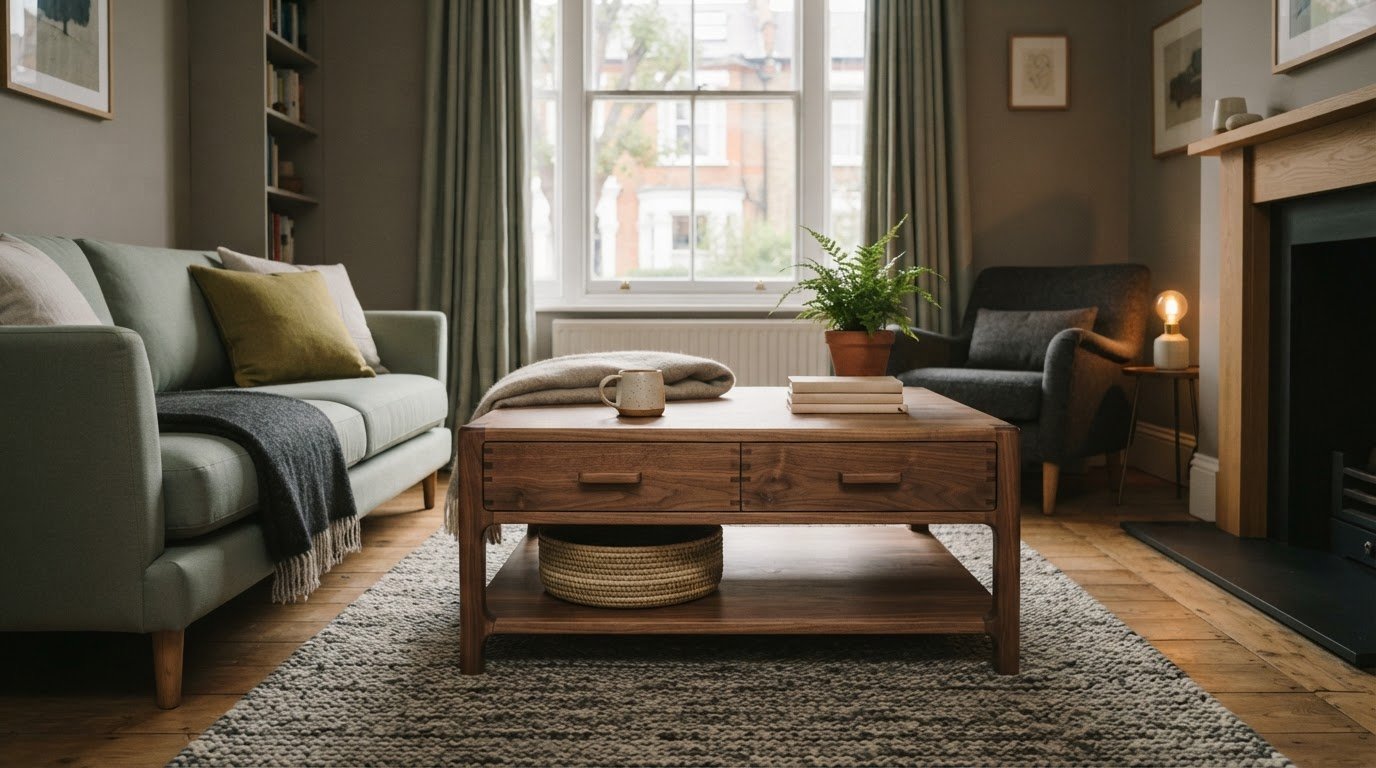
Hardwood: Natural grain can make each surface visually individual. Consider it for dining or storage furniture if you want wood character, and find out what care suits the particular finish.
Bamboo: Its recognisable pattern offers a different look from conventional timber. Consider whether it suits the room and the piece’s use. The material name alone doesn’t tell you how the whole item is constructed.
Pine: Knots and grain give it an informal, characterful appearance. It may suit a relaxed interior, but consider how the surface and finish will hold up to the activity around it.
When might metal or scaffold board suit the brief?
Metal can give furniture an industrial appearance and a distinct structural character. Its suitability depends on the design and setting, so consider the overall look alongside how the finished piece will be handled and cared for. For outdoor tables, the bespoke metal garden table guide offers useful context for thinking about material choice beyond indoor use.
Metal: Consider it if you want a contrasting material character or a look that complements other metal details in the room. Think about the intended location and how the finish will fit your household’s routine.
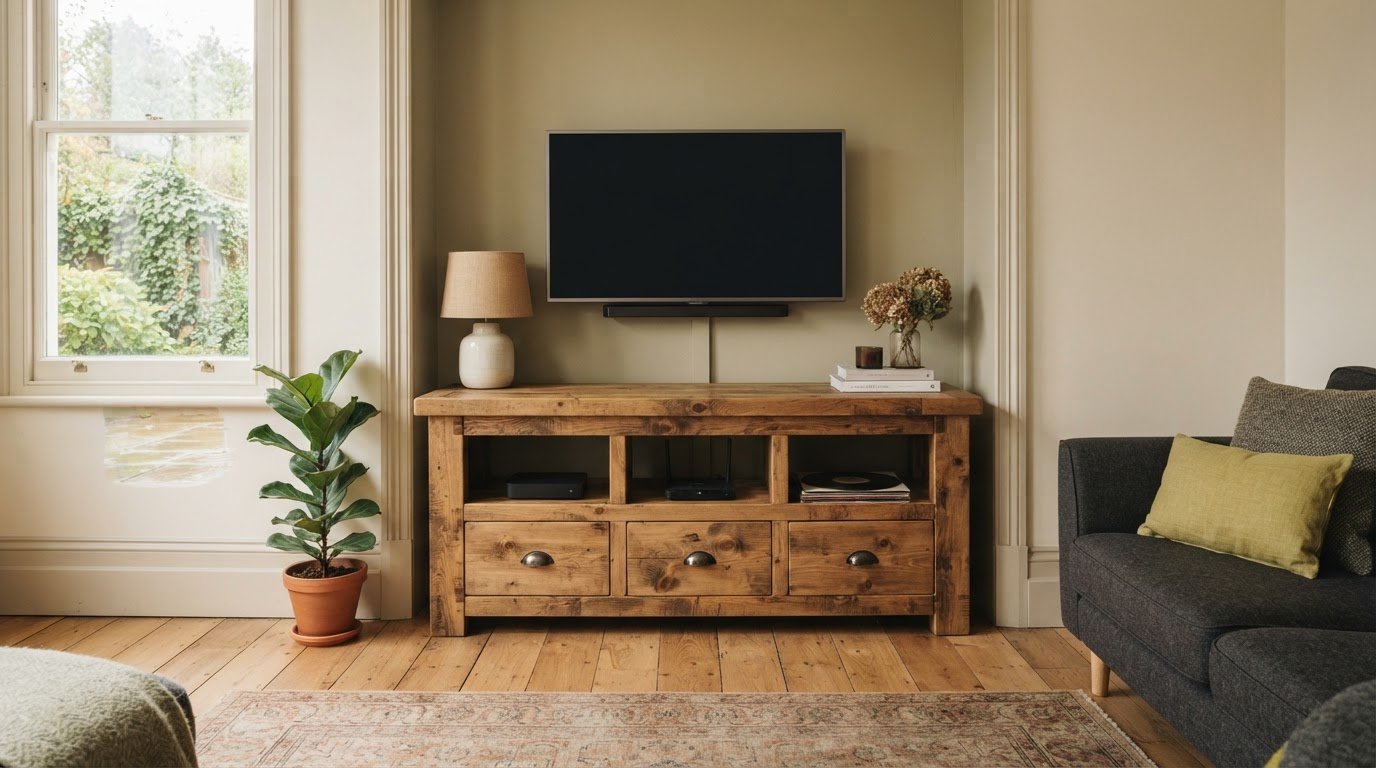
Scaffold board: Its pronounced texture and visible variation may appeal if you want a more individual, rustic surface. Look closely at the finish and consider whether that character suits the room and the way you’ll use the furniture.
Room conditions matter too. A surface near frequent spills may need different care from one used mainly for display. Compare the finished piece, not just the raw material: its finish, construction and suitability all affect how well it serves its purpose.
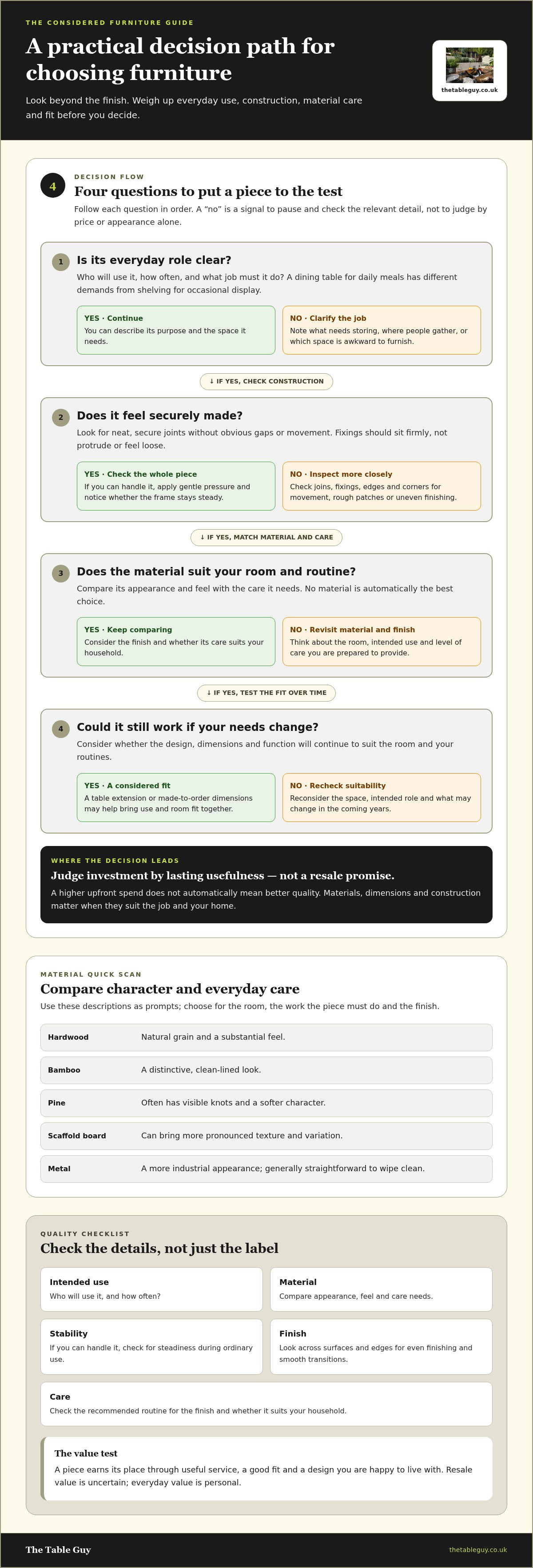
A practical way to judge long-term furniture value
A useful comparison brings daily life into the decision, not just the purchase cost. Work through these steps for each piece you’re considering. Comparing options on the same terms can help you spot a mismatch before you buy.
List its uses. Note the jobs the furniture needs to do, how often you expect to use it and who will use it. A dining table might need to support meals, homework and occasional gatherings.
Assess the fit. Measure the intended space and consider how people will move around the piece. Include doorways, hallways and other access routes when planning how it will reach the room.
Compare construction. Look at the complete item’s stability, joints, fixings and finish. Consider these details alongside the material rather than treating a material label as a quality verdict.
Consider change. Think about whether household routines, seating needs or room use could shift. Would the piece still work if the space had to serve another purpose?
Plan its care. Consider the cleaning and upkeep required for the material and finish. Be realistic about whether that routine fits your household.
How can you compare upfront spend with everyday use?
Cost per use offers a simple way to compare a piece’s purchase cost with how often you expect to use it over a chosen period. Use your own figures, not an industry average or a promise about how long furniture will last.
Cost per use = purchase cost (£) ÷ estimated number of uses. Choose a time period that makes sense to you, then estimate how often you’re likely to use the piece during it. This is a comparison aid, not proof that you’ll save money. It doesn’t account for changing needs, repairs or uncertain future resale value, so consider those separately.
Will the piece still work if your home or routine changes?
Picture more than the room as it looks today. Will the furniture fit through the access routes, leave enough space to move around and meet likely seating or storage needs? A table extension may help accommodate different numbers of diners, whilst dimensions tailored to a room can make the everyday layout more practical. For table-extension planning, the guide to choosing an extendable dining table can help you think through how you’ll use the space.
Before you decide, complete this quick check:
Can I name the main uses and expected frequency?
Do the dimensions suit the room and access routes?
Have I compared construction as well as material?
Could the piece still work if my routine changes?
Am I prepared to care for its finish?
If made-to-order dimensions could help bring your intended use and available space together, explore bespoke furniture options and consider how the details could suit your home.
Why bespoke furniture can make a considered investment
Bespoke furniture brings the room, material and intended use into one decision. Rather than starting with a standard size and trying to make it work, you can begin with the space available and the routines the piece needs to support. This can be useful in a home with an awkward layout, a particular storage need or a dining area that serves more than one purpose.
Bespoke design doesn’t guarantee longer service or future resale value. Its value lies in making a considered choice about what will fit and function well in your home. For anyone weighing up investment piece furniture uk options, made-to-order furniture is a practical way to bring those priorities together.
What can you tailor when choosing a made-to-order piece?
Begin with the room and how you’ll use the furniture. Note the available floor space, nearby doors and walkways, then decide what the piece needs to hold or accommodate. A dining table might need to suit everyday meals as well as occasional gatherings; a sideboard may need to fit a particular wall and provide useful storage.
Consider material and dimensions together. A smaller room may call for careful measuring, whilst the look and care needs of hardwood, bamboo, pine, scaffold board or metal can influence which material feels right for your home. Keep the intended function at the centre of the design so the details support daily use as well as appearance.
How does The Table Guy approach bespoke furniture?
The Table Guy is a family-run UK furniture business established in 2014, making bespoke furniture to order in its UK workshop. Its range includes dining tables, coffee tables, sideboards, shelving and table extensions, with materials including hardwood, bamboo, pine, scaffold board and metal. The made-to-order approach lets you consider a piece’s dimensions, material and purpose together.
For a farmhouse dining table, start by considering the available room, how people gather around it and the character you want the material to bring. These questions help shape a brief around real household needs. The same applies to storage furniture: think about what you need to store, where the piece will sit and how it should work alongside the rest of the room. A guide to a custom farmhouse dining table can help focus those table-specific decisions.
Take your measurements and priorities into the next step. Explore bespoke furniture from The Table Guy and consider a made-to-order piece for your home.
Make your next furniture choice with confidence
Picture the furniture in the home you actually live in, not an idealised version of it. What will happen around it on an ordinary weekday? Which dimensions would make movement easier, and what details would help it sit well alongside your existing furniture? Answering these questions can turn a broad search for investment piece furniture uk into a clear, practical decision.
You don’t need to settle every detail at once. Start with the room, the piece’s main purpose and the material character you’re drawn to. A clear brief makes it easier to explore a design that feels practical as well as personal, and gives you concrete criteria to use before committing.
Ready to plan a piece around your space and routines? Explore bespoke furniture from The Table Guy.
Frequently Asked Questions
What counts as an investment piece of furniture?
Furniture counts as an investment when it earns a regular, useful place in your home rather than simply filling an empty space. A well-chosen console, for example, can provide a landing spot for keys and help contain everyday clutter. Consider what practical difference the item will make, who will use it and whether its role is likely to remain relevant as your routines develop.
Does investment furniture have to be expensive?
No. A considered purchase should suit your budget, and a higher price alone doesn’t prove that an item is well made or right for you. When comparing investment piece furniture uk options, look at construction, intended use and care requirements alongside cost. You could prioritise one frequently used item first, then furnish other rooms gradually as your needs and budget allow.
Does furniture usually increase in value over time?
No, you shouldn’t assume furniture will appreciate or sell for more than you paid. Future resale depends on factors such as condition, buyer interest, design and the particular item, which can be difficult to predict. Choose a piece because you expect to use and enjoy it, not because you’re relying on a later sale to make the purchase worthwhile.
Is solid wood furniture always better than other materials?
No single material is best for every home. Solid wood may appeal if you enjoy natural grain, whilst metal may better suit a room’s appearance or cleaning routine. Finish and construction also affect how well a piece fits your needs. Compare how a table surface suits your household’s day-to-day activity rather than choosing by material name alone.
Can bespoke furniture be made to suit an awkward room?
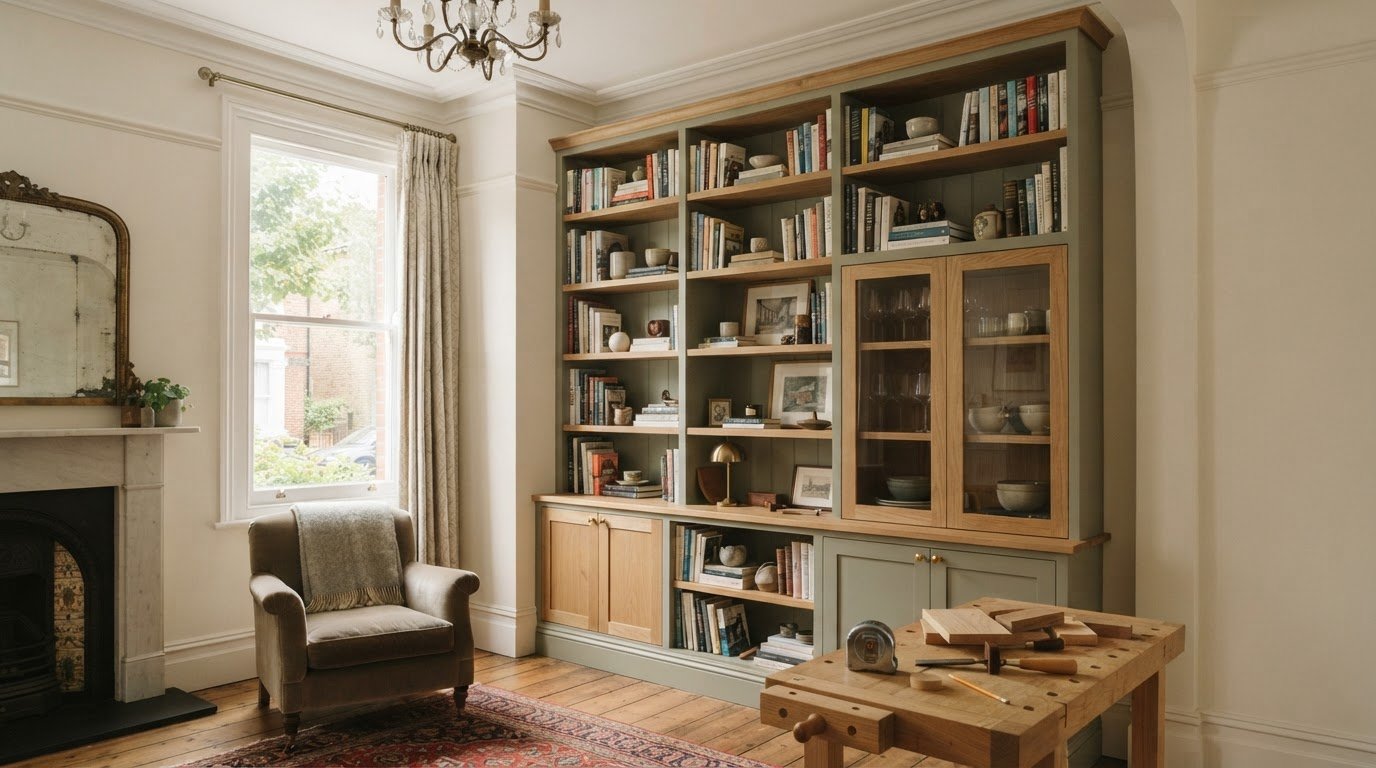
Made-to-order furniture can be designed with a room’s measurements and layout in mind. Before planning a piece for an alcove or narrow space, measure its width, depth and height, then account for skirting boards, door swings and the route into the room. A simple sketch showing nearby windows and walkways can help clarify which dimensions will work without making the space feel cramped.
How do I make furniture last longer in everyday use?
Match your care routine to the furniture’s material and finish. Use coasters or mats where spills, heat or scratches are a concern, wipe up liquid promptly and follow the care guidance provided for the piece. Avoid harsh cleaners unless the care instructions recommend them. For furniture with fixings, an occasional visual check can help you notice anything that has loosened through normal use.
Is a dining table a good first furniture investment?
It can be, particularly if meals, work or social time often happen around the table. First consider how many people usually need to sit there, how much room you need to move around it and whether you host larger gatherings. If those needs vary, an extending design may be worth considering. In a household that needs storage more urgently, another piece may deserve priority.
Comments