
Pet-Safe Wood Furniture: How to Choose the Right Pieces in 2026
The hardest wood in the room isn’t automatically the best choice for a home with pets. Choosing pet-safe wood furniture means looking beyond the species to the finish, construction and the way your animal behaves around it.
It’s understandable to wonder what’s been applied to a surface your pet might lick or chew, and whether claws, muddy paws or an occasional accident will leave a lasting mark. There’s no single label that answers every safety question, and no furniture choice can promise to withstand every pet. A careful check can help you make a more informed one.
In this guide, you’ll learn what to ask about the wood, coatings and other materials, how to compare designs and finishes for your household, and which details may make everyday cleaning and care easier. We’ll also look at practical ways to reduce wear over time. Whether you’re comparing ready-made pieces or discussing dimensions and materials for a made-to-order table, start with the whole piece, not just the wood.
Table of Contents
What Makes Wood Furniture Pet-Safe? Start with the Whole Piece
There isn’t a single feature that makes a piece of furniture suitable for every pet. Assessing pet-safe wood furniture means looking at the complete item and your animal’s behaviour, rather than relying on a label, a particular wood or a smooth-looking surface. A finish that appears neat doesn’t reveal what was used, how the piece was assembled or whether an inquisitive pet can reach its edges.
It helps to separate two questions. First, could your pet chew, lick or otherwise come into contact with the wood, coating, adhesive or a loose component? Second, how might the furniture stand up to everyday life, including claw marks, spills and accidents? Durability and potential exposure are related to how you use a piece, but they aren’t the same thing.
Does “pet-safe” mean the same as pet-proof?
No. Furniture shouldn’t be assumed immune to chewing, scratching, tipping or accidents. A robust surface may resist some marks, but that doesn’t establish that a finish is appropriate for an animal to lick or ingest. Equally, a material’s appearance can’t confirm how it will wear.
Suitability depends on the specific product, where it sits and how your pet behaves. A table within reach of a persistent chewer presents a different practical question from shelving your pet can’t access. Treat “pet-safe” as a prompt to ask for details, not as a universal guarantee.
Which risks should pet owners consider first?
Look closely at the parts an animal can reach: loose or detachable components, splintered areas, sharp corners and edges that invite chewing. Consider whether a tall or narrow piece could be knocked, and whether your pet can access anything stored on open shelves. These are practical hazards to assess alongside questions about materials.
Spills, residue and worn surfaces also deserve attention, but they aren’t proof of toxicity. Ask what the wood, coating and any adhesives are, and request product-specific care guidance. For context on the range of different types of wood finishes, a general overview can help you understand the terms, but it can’t confirm what’s on a particular piece.
If your pet regularly chews or licks furniture, or you’re concerned about contact with or ingestion of a material, speak to your vet. Share the product details where possible. Don’t try to judge exposure risk from colour, sheen or smell alone.
Before buying, ask the maker or retailer about the exact wood species, coating, adhesives, construction and care instructions. A clear answer helps you weigh the piece against your pet’s habits; if details can’t be confirmed, avoid making assumptions.
Wood Types and Finishes: What to Ask Before You Buy
Hardwood, pine and bamboo can each suit a different room and household, but none is automatically the safest choice for a pet. Species, construction and surface treatment all matter, as does whether your animal can reach exposed edges or is likely to chew them. For pet-safe wood furniture, ask about the finished piece rather than relying on a broad material label.
How do hardwood, pine and bamboo compare in pet homes?
These materials differ in appearance and may respond differently to everyday wear, but the exact species, finish and build affect the result. A surface that suits a quieter household may show wear sooner if a pet scratches or mouths it. For background on bamboo as a furniture material, see this bamboo furniture guide.
The ASPCA’s searchable plant database can offer context about some trees, but it doesn’t verify the safety of a particular timber product, coating or finished item. Use its information on toxic and non-toxic woods as a starting point, not a product assessment. Ask your vet about a specific species if you have concerns.
What should you ask about stains, oils and sealants?
Ask for the exact finish name and manufacturer information for the specific piece. Find out how it was applied, what curing guidance the maker gives, and which cleaning products or care methods are suitable. A surface that feels dry doesn’t, by itself, answer questions about its ingredients or suitability for an animal that may lick or chew it.
Also ask about adhesives, assembly and any exposed joins or edges. Keep the product information to share with your vet if exposure or ingestion is a concern, and consult relevant manufacturer guidance before deciding. If you’re considering a made-to-order table or shelving, you can discuss materials and dimensions alongside your household’s practical needs.
Which Wooden Furniture Design Suits Your Pet and Household?
Choose furniture around the way your pet actually moves through the room, not around a promise that a design is pet-proof. A coffee table with low edges may be within easy reach of a dog that mouths table legs; open shelving could invite a curious cat to climb or investigate stored items. Think about the room’s walkways, where your pet rests and which surfaces they can reach.
Dogs vary in size and habits. A wagging tail can catch a table corner, while a dog that chews may focus on low edges or legs. Cats may jump onto tables, scratch accessible surfaces or climb shelving. Consider rounded edges, stable proportions and enough clearance for people and pets to move comfortably. These are design considerations, not guarantees against knocks or damage.
Match the design to your pet’s habits
Before choosing a piece, identify the behaviour you most need to accommodate. The comparison below can help you narrow the questions to ask. Surface durability is about how a finish may handle marks or spills; it doesn’t establish whether materials are suitable if a pet chews or licks them. Ask for product-specific details if that behaviour is likely.
Are solid-looking or rustic designs automatically more durable?
No. A substantial or rustic appearance doesn’t confirm the wood grade, joinery, finish quality or resistance to scratches, chewing and spills. Ask how the piece is constructed, whether it will sit steadily in your intended position and what maintenance the maker recommends. For ideas on dimensions and choices involved in a made-to-order dining table, see this custom farmhouse dining table guide.
Placement can be just as important as form. Keep tempting surfaces away from routes your pet uses to jump, and consider whether stored items on open shelves could be pulled down or chewed. A clear assessment of your pet’s habits and the room will help you choose a practical piece, then ask the maker specific questions about its construction and care.
Choosing and Caring for Pet-Safe Wooden Furniture
A clear buying process helps turn your pet’s habits into practical decisions. Use these four steps before ordering pet-safe wood furniture, then keep the maker’s care guidance to hand after delivery.
1. Assess your pet’s behaviour. Note their size and whether they scratch, chew, climb, lick surfaces or knock into furniture. Include habits that might affect access to table legs, low edges or shelving.
2. Shortlist suitable designs. Compare pieces for stability, exposed edges and accessible parts. Think about where your pet spends time and whether the furniture could block walkways or put tempting items within reach.
3. Confirm the materials. Ask for the wood species, coating or finish details, and information about adhesives and assembly. Request written product details and the manufacturer’s care instructions.
4. Plan the placement. Check the proposed dimensions against your room layout. Consider whether positioning the piece differently could reduce access to vulnerable edges or stored items.
What should you check before placing an order?
Get specific answers, not just a broad description such as “wooden” or “sealed”. Ask: “Which wood species is used?” “What is the exact finish, and who makes it?” “What adhesives are used, and where?” “How is the furniture assembled?” “Are any components or edges detachable or exposed?” and “Which cleaning products and care methods are suitable?”
If the maker can’t confirm materials relevant to your concern, pause before ordering. For a pet known to chew or lick furniture, or if you’re worried about possible ingestion or exposure, speak to your vet and share the product information. Don’t infer suitability from the appearance of the surface.
How can you protect wood furniture after delivery?
Follow the maker’s care instructions, and use only products confirmed as compatible with the specific finish. Keep the furniture clean and dry; deal with spills promptly using the recommended method rather than reaching for a household cleaner that may affect the surface.
If the maker gives a curing period for a coating, keep your pet away for the instructed time and follow any other guidance before use. Provide suitable scratching or chewing alternatives, and supervise behaviour that could lead to injury or damage. Regularly check accessible edges and joints for signs of wear, and ask the maker how to respond if you spot a change.
If you’re considering a made-to-order wooden table or shelving, discuss your dimensions, materials and household needs before agreeing the specification.
Commissioning Bespoke Wood Furniture for a Pet-Friendly Home
A made-to-order piece gives you the chance to discuss how furniture needs to fit your room and daily routines. That can be useful in a home with pets, where a few centimetres of clearance, the position of an edge or access to shelving may affect how the room works. It doesn’t make a piece pet-proof, or remove potential risks from chewing, ingestion or a finish that isn’t suitable for your circumstances. Treat the design conversation as a way to clarify requirements and product details, not as a safety certification.
The Table Guy is a family-run UK furniture maker established in 2014, making furniture to order. Before agreeing a specification, explain how your pet uses the room and ask which materials and finish options are available for the particular piece. Confirm the details rather than assuming that a chosen wood or coating is suitable.
What can you customise for a pet-friendly room?
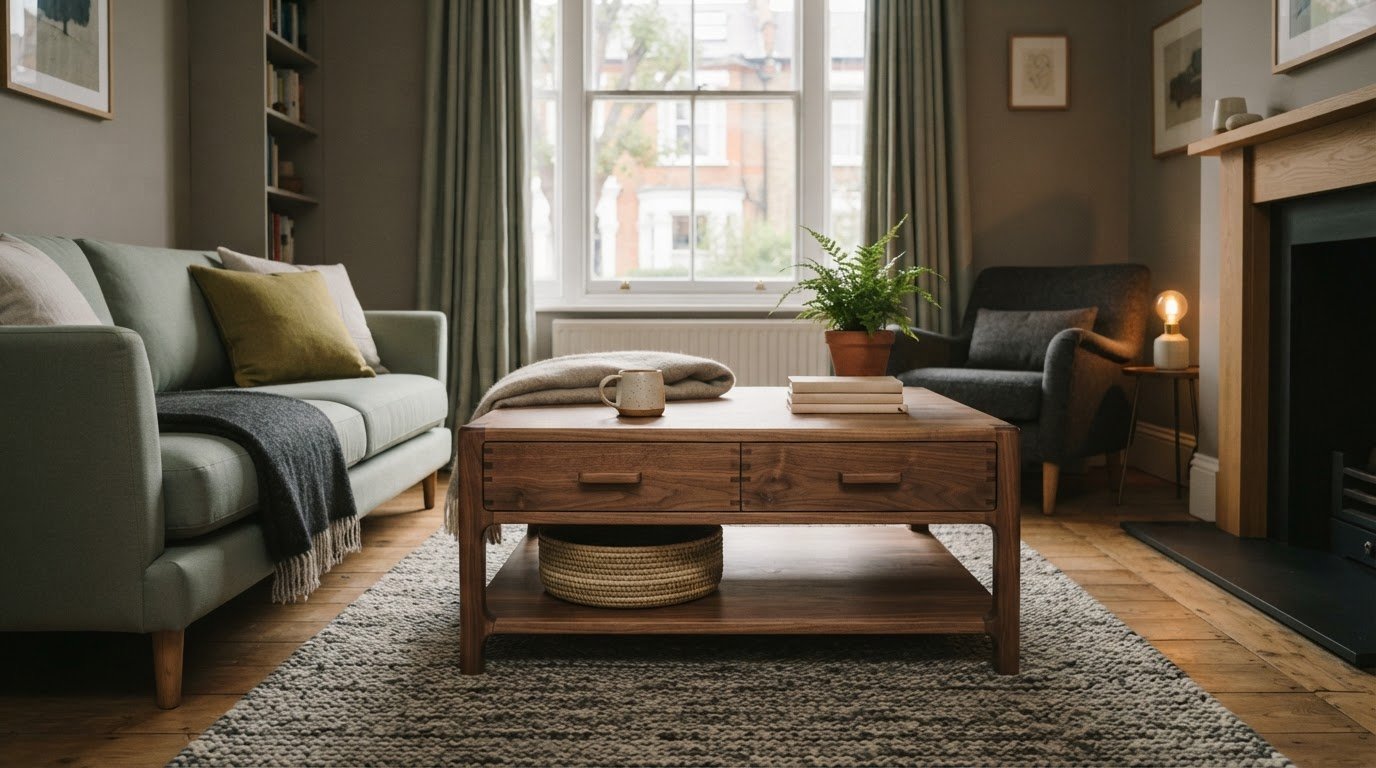
Start with the space. Share the intended position, nearby walkways and approximate dimensions, then discuss how the furniture type will be used. For a coffee table, you might want to consider the height and whether a low edge is within reach of a pet that mouths furniture. With shelving or a sideboard, think about stability and whether stored belongings would be accessible.
Ask which confirmed material options suit the intended use, and what finish and care information applies to the proposed piece. A tailored design can help address practical matters such as dimensions and layout, but it can’t prevent a pet from chewing or guarantee that a material is appropriate if ingested. If that behaviour is a known concern, discuss the product details with your vet before making a decision.
What should you include in a furniture enquiry?
A useful enquiry gives the maker enough context to respond to your brief. Include:
the room and intended furniture type, such as a dining table, coffee table, sideboard or shelving
approximate dimensions and any layout or clearance requirements
how the room is used day to day, including where your pet rests, climbs or passes through
relevant behaviour, such as scratching, chewing, licking or jumping onto surfaces
specific questions about the wood species, finish, coatings, adhesives, assembly and care instructions for the proposed piece
Ask for product-specific details before settling on a specification, especially if your pet can reach or mouth the furniture. Clear answers help you compare the design with your household’s needs, and give you information to take to your vet if you’re concerned about exposure.
Once you’ve gathered your room measurements and questions, discuss a bespoke furniture project with The Table Guy. Share your brief and ask which details can be confirmed for the piece you have in mind.
Choose a Piece That Works for Your Home and Pet
Choosing pet-safe wood furniture is about weighing the complete piece against your pet’s behaviour. Look beyond the wood type: ask about finishes, adhesives, construction and care, then consider accessible edges, stability and where the furniture will sit. A thoughtful choice can suit your room and routines, but no design should be assumed immune to chewing, scratches or accidents.
If you’re considering made-to-order furniture, share your dimensions, room layout and pet-related questions before agreeing a specification. The Table Guy is a family-run furniture maker established in 2014, crafting made-to-order wooden furniture in a UK workshop. Ask for the specific material and finish details you need to make an informed decision.
Discuss your bespoke furniture ideas with The Table Guy, and take the next step towards a piece shaped around your home. With clear questions and careful planning, you can create a more considered fit for both your household and your pet.
Frequently Asked Questions
Is wood furniture safe for pets?
Not automatically. A wooden piece can’t be assumed safe for every animal because its suitability depends on the species, coatings, adhesives, construction and your pet’s behaviour. Ask the maker for product-specific material and finish details, including care guidance. If your pet chews or licks furniture, or you’re concerned about possible contact or ingestion, speak to your vet rather than judging by the piece’s appearance or relying on a general “pet-safe” claim.
What type of wood is safest for dogs and cats?
There isn’t one wood species that can be recommended as safest for every dog or cat. Hardwood, pine and bamboo have different properties, but the finished product and your pet’s habits matter too. Ask which exact material is used and whether edges are accessible to chewing. If your animal may ingest splinters or surface residue, share the product details with your vet for advice.
Are wood stains and finishes toxic to pets?
Some finishes may raise concerns if a pet contacts, licks or ingests them, but the risk depends on the specific product and circumstances. Ask the maker for the exact finish name, manufacturer information and any application, curing or care instructions. A dry surface alone doesn’t answer every exposure question. If your pet has chewed a finished surface or seems unwell, contact your vet promptly and provide the product details if available.
Can cats scratch or dogs chew wooden furniture?
Yes. Cats may scratch accessible surfaces, and dogs may chew or mouth legs and low edges. This can damage the furniture and may expose splinters or loose material. Choose a design with your pet’s behaviour in mind, supervise access where appropriate and provide suitable scratching or chewing alternatives. If chewing is persistent or your pet may have swallowed material, seek veterinary advice. A tougher-looking wood isn’t a safety solution.
How can I protect wooden furniture from pets?
Match the design and placement to your pet’s habits, then follow the maker’s care instructions for the specific piece. Use only products confirmed as compatible with its finish, keep the furniture clean and dry, and deal with spills using the recommended method. Where practical, keep tempting edges out of reach and offer appropriate alternatives for scratching or chewing. These steps can help limit wear, but they can’t guarantee furniture will remain undamaged.
What should I ask a furniture maker before buying pet-safe wood furniture?
Ask for the exact wood species, finish and relevant product information, along with care and any curing instructions. Find out about adhesives, assembly and accessible edges if your pet chews, climbs, scratches or licks surfaces. Also check whether dimensions or design details can suit your room and household. A maker can explain product details, but isn’t a substitute for a vet. Ask your vet about toxicity or exposure concerns.
Is bespoke wooden furniture a good choice for a home with pets?
Bespoke wooden furniture can be made to suit your room dimensions, storage needs and the way your household uses the piece. Tailored design doesn’t make furniture automatically pet-proof or certify its materials as safe. Tell the maker how your pet behaves, and confirm the exact materials, finish and care requirements for the proposed item. If chewing or ingestion is a concern, consult your vet with the product information before deciding.
Comments